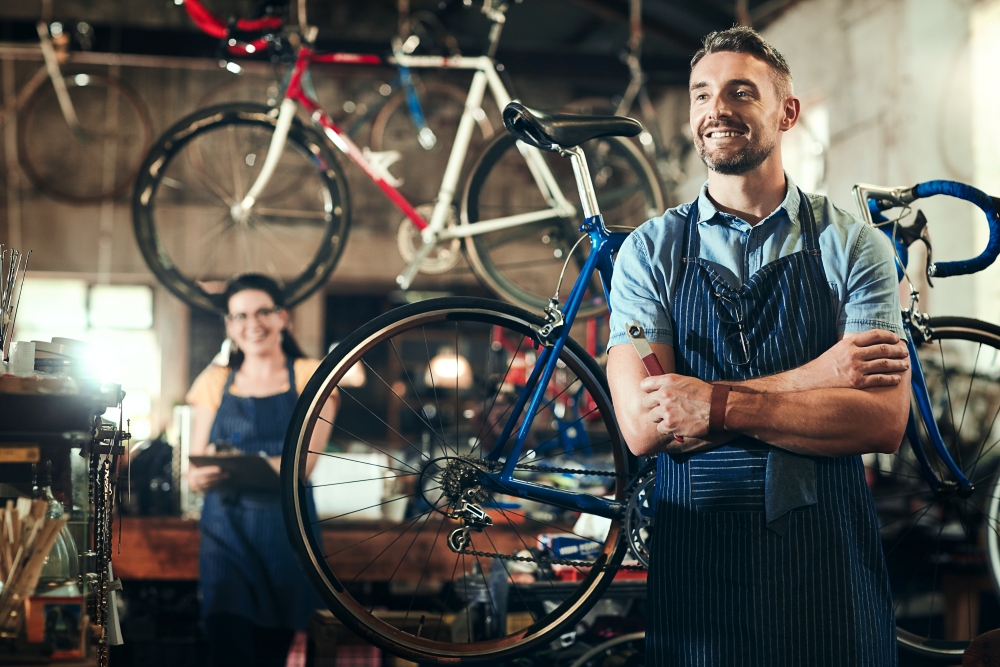
Ask your longest-standing customers why they first chose to shop at an independent bike shop and the answer will likely be the level of specialist knowledge and personal service they received. Independent bike dealers have always beaten their competition by knowing their industry, their products and – most vividly – their customers inside out.
So, what happens when the customer starts to look a little different? The last few years have seen a shift in the type of customer walking through the door of independent retailers, and it’s pivotal to your shop’s commercial success to understand how they got there, and what they need when they arrive.
The journey to your door looks different now
In our recent Making the Numbers Work webinar, Drew Jordan, second-generation owner of Andy Jordan’s Bicycle Warehouse, made a point that will resonate with anyone running a shop floor right now.
Today’s customers are arriving having already done their research.
Sometimes customers are coming in knowing more about a given product than we do. You’re trying to catch their attention somewhere in that journey – on your website, through Google ads, social media – and funnel them into your store.
Drew Jordan, Andy Jordan’s Bicycle Warehouse
They’ve scoped out different models on the internet, been on your website, read reviews, watched videos. By the time they cross the threshold there’s every chance they know more about the specific model they have in mind than even your most knowledgeable staff member.
The job of catching customer attention now starts long before they walk in. It spans search, social, email, and ecommerce; and the shops that aren’t visible during that research phase are losing customers they never even knew they had.
And it changes the power balance on the shop floor. Just because they arrive well-informed doesn’t guarantee an easy sale or a smooth transition from the online experience to the in-store interaction. Especially without a bike shop point of sale system that provides the infrastructure to keep the customer journey seamless, and your commercial picture clear to see.
A different kind of customer, a different kind of relationship
Alongside the shift in how customers find independent bike shops, there’s a change in who those customers are. The enthusiast upgrading their drivetrain and the weekend rider booking in for a seasonal tune are still there, but a growing share of the customer base is using their bike very differently.
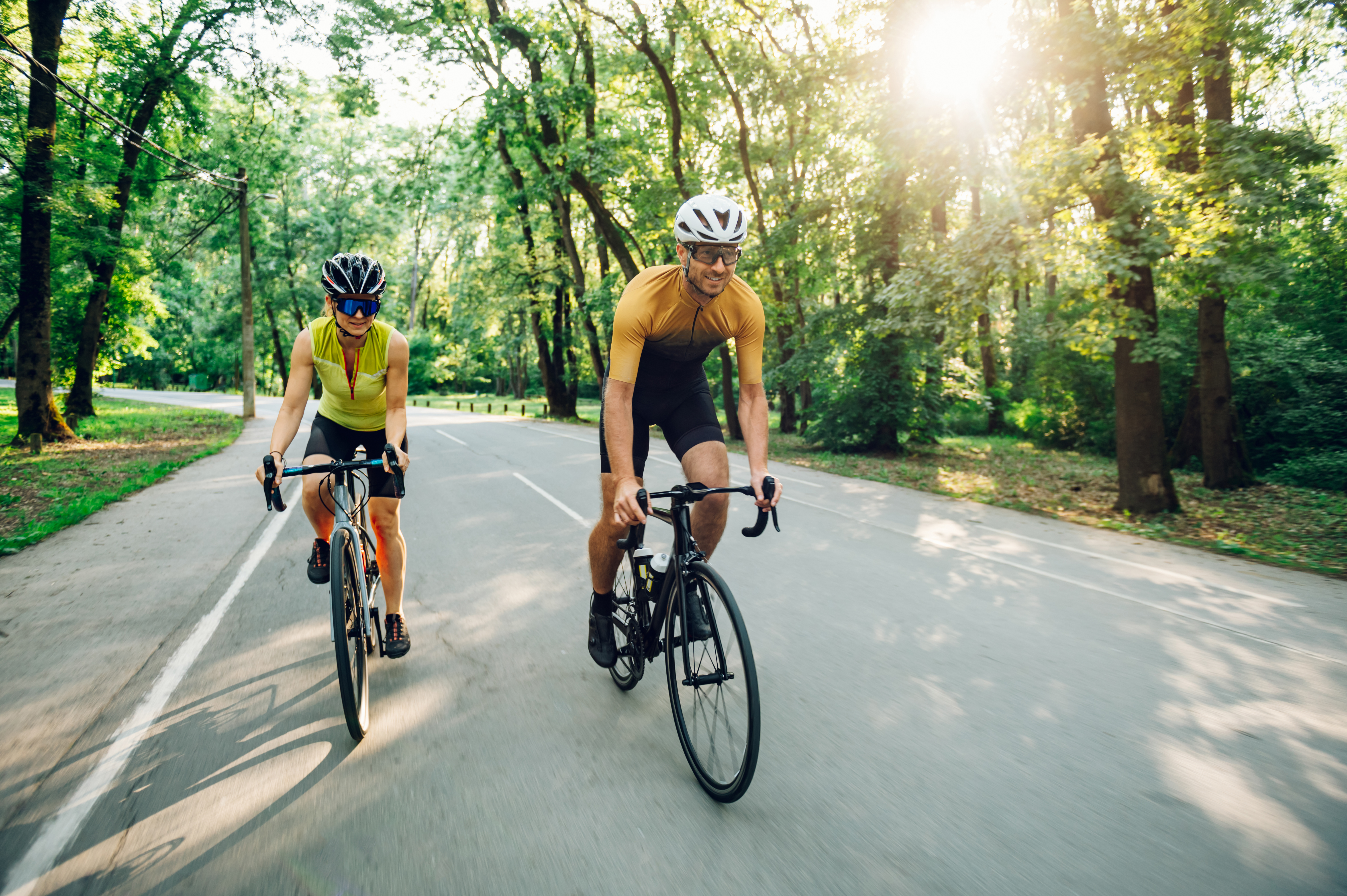
There’s been an uptick in recent months of commuter cyclists (as workers limit car usage to offset rising fuel costs). For commuters cycling to the office and back every day, the bike isn’t a hobby, and this impacts the way they view the whole experience, right down to servicing. Maintaining the bike becomes a necessary utility cost, not a discretionary cost of their favourite pastime.
That shift in psychology is showing up on the shop floor. Mechanics and shop owners across the US and UK are reporting customers approving work they would previously have deferred, adding jobs to existing tickets without hesitation, and in some cases explicitly front-loading maintenance spend ahead of what they expect to be a tighter economy. Ultimately, the customer who depends on their bike is spending differently to the one who rides for pleasure.
That customer is also more valuable over time than they might initially appear. Their bikes aren’t the most expensive, and they’re not buying new kit every season. But they’re using their bikes more consistently than almost anyone else, which means more frequent service, more parts, and – if the relationship is managed well – a level of loyalty that doesn’t depend on the upgrade cycle or the new model year.
Turning customer relationships into recurring revenue
Whether the customer arrived via three hours of online research or walked in because their chain snapped on the way to work, what they have in common is this: if the experience is good, they’ll be back. And the commercial value of a returning customer – across service, parts, accessories and eventual upgrades – is significantly higher than any single transaction suggests.
The problem is that most independent bike shops aren’t set up to see that value clearly, let alone build on it deliberately. Every customer brings commercial depth, but only if you can see:
- Who bought what, when, and through which channel
- Which customers haven’t been back in a while
- Where spending is happening across the shop floor and online, and where it isn’t
Without the full picture, you’re making decisions about your business based on incomplete information and leaving money on the table without knowing it.
The independent that can see clearly wins
The customer journey has changed, the customer profile is shifting, and the commercial opportunity for the independent that responds to both is impossible to ignore. Capturing it requires visibility across the shop floor, the service center and your ecommerce channel in one connected picture.
If you want to hear more about how independent bike retailers are thinking about these challenges, the full recording of our Making the Numbers Work webinar is available to watch now.
Ready to grow customer relationships?
Find out how independent bike shops use Citrus-Lime to connect service history, ecommerce and in-store retail in one place.
Contact us
Normal UK & US Office Hours Mon – Fri: 8.30am to 5.30pm
FAQs
How is the independent bike shop customer changing?
The way customers find and research bike shops has changed significantly, with many now arriving having already done their homework online across search, social and review platforms before they ever walk through the door. Alongside that, there are signs of a shift in who those customers are. A growing share of riders appear to be using their bikes as primary transport rather than for leisure, which changes their spending psychology. For a commuter, maintaining their bike feels more like a utility cost than a discretionary one, and early indicators suggest they spend accordingly.
Why are commuter cyclists becoming more valuable customers for bike shops?
Commuter cyclists use their bikes more consistently than almost any other customer type, which means more frequent service, more parts turnover, and a stronger motivation to maintain a relationship with a shop they trust. Their individual transactions may be smaller than a high-end enthusiast purchase, but the cumulative value over time, across service, parts and accessories, is substantial. The shops that recognize this early and build the infrastructure to support it are positioning themselves for recurring revenue that doesn’t depend on the upgrade cycle or the new model year.
How do I capture customers who research online before visiting my bike shop?
Visibility during the research phase is the starting point. If your shop isn’t showing up across search, social and ecommerce when a customer is making their decision, you’re losing customers you never knew you had. But visibility alone isn’t enough. When an informed customer walks in, the in-store experience needs to match the online one. A bike shop POS that connects your ecommerce and retail channels means customer data, stock levels and purchase history are consistent across both, which makes the transition from online research to in-store purchase as smooth as possible.
How does ecommerce integration help an independent bike shop compete?
Modern customers move between online and in-store channels as a matter of course. A bike shop running its ecommerce and retail operations as separate systems creates friction at every touchpoint and loses visibility of the full customer relationship in the process. Ecommerce and POS integration means a single view of stock, sales and customer history across both channels, which makes the experience more consistent for the customer and the commercial picture clearer for the shop.
How do I build customer relationships that generate recurring revenue?
The foundation is being able to see the full picture of each customer’s relationship with your shop: what they’ve bought, when, and through which channel. Without that, you’re making decisions based on incomplete information and relying on individual staff to carry the relationship in their heads. Shops that treat customer history as a commercial asset, using it to identify lapsed customers, spot patterns in spending, and reach out proactively, consistently build stronger long-term value than those operating on instinct alone.
How does a bike shop POS support customer retention?
A POS that connects your in-store and ecommerce data gives you visibility of who’s buying, how often, and where. That’s the information that makes proactive outreach possible: identifying customers who haven’t been back in a while, understanding where spending is and isn’t happening, and making informed decisions about how to re-engage. Retention built on data is more reliable and more scalable than retention built on memory.
What is Citrus-Lime and how does it help independent bike shops manage customer relationships?
Citrus-Lime is a cloud-based point of sale and ecommerce platform built specifically for independent specialist retailers, including bike shops. It connects in-store sales, ecommerce and customer records in a single system, giving retailers a clear view of each customer’s relationship with the shop across every channel. For independent bike shops, that means customer history is always accessible, spending patterns are visible across both retail and online, and the commercial value of the customer base is something you can see and act on, rather than something you have to piece together manually.